
How does Canadian climate affect paint performance?
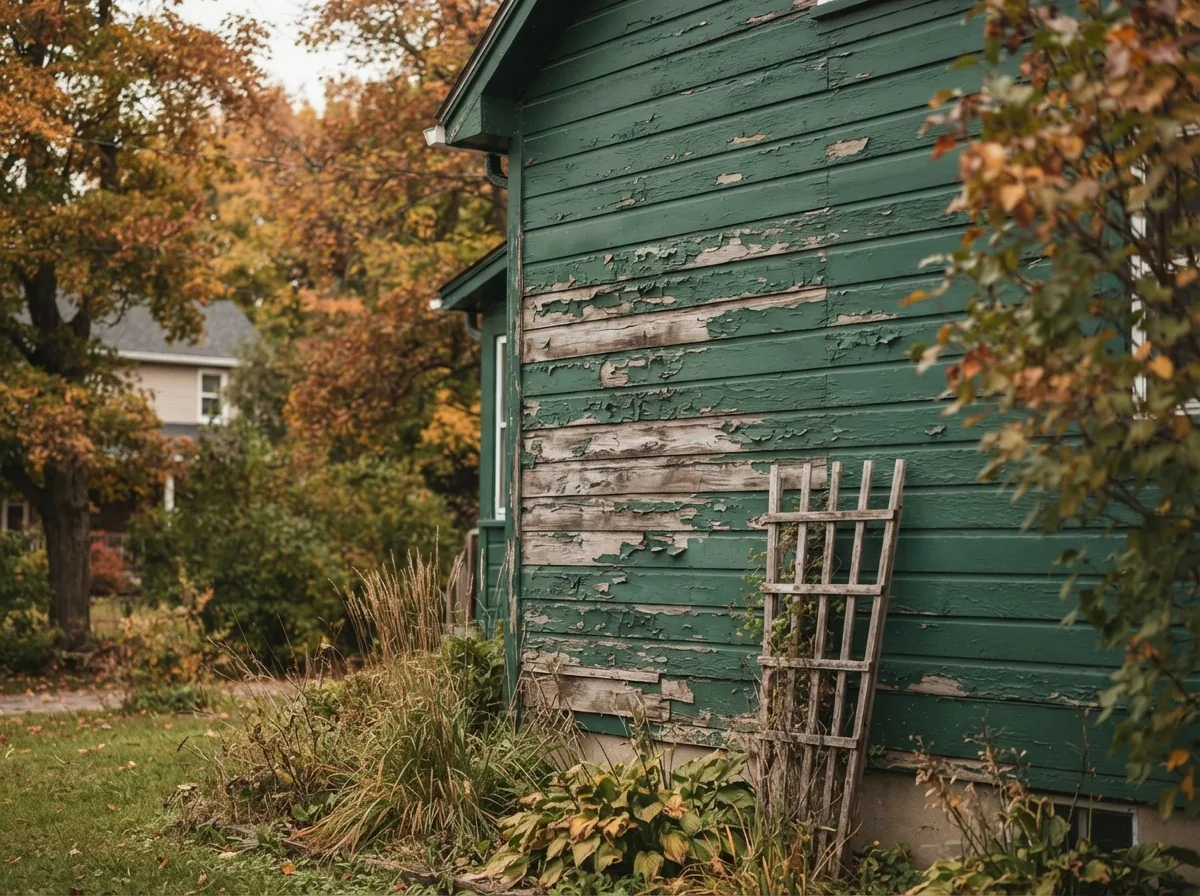
The Canadian climate significantly impacts paint performance through extreme temperature fluctuations, high humidity, intense UV radiation, and freeze-thaw cycles. These conditions can lead to premature cracking, peeling, fading, and mildew growth, making it crucial to select paints specifically formulated to withstand these environmental stresses. Choosing the right paint ensures longevity, protects your home, and prevents costly reapplication.
Why this matters for your home
For homeowners in Smiths Falls, seeing paint fail prematurely is frustrating. It’s not just about aesthetics; damaged paint can expose your home to moisture, leading to more significant issues. Understanding how Canadian weather impacts paint helps you choose products that truly protect your investment and maintain your home's curb appeal, avoiding the wasted money and effort of a repaint that doesn't last.
Key climate factors that impact paint
Canada's climate is a complex mix of environmental challenges for any paint finish. It's not just one extreme, but a combination that puts paint to the test year-round. Understanding these factors is the first step to making an informed choice for your home painting project.
Temperature Extremes
From scorching summer days to bitter winter nights, Canadian temperatures can swing dramatically. Paint needs to be flexible enough to expand and contract with these changes without cracking or delaminating. Rapid temperature shifts, especially around freezing points, are particularly harsh on exterior coatings.
Humidity and Moisture
High humidity, especially during summer, can hinder proper drying and curing, leading to blistering or mildew growth. In contrast, dry winter air can cause paint to become brittle. Moisture from rain and snow also poses a constant threat, seeking out any weakness to penetrate the paint film.
UV Radiation
The Canadian sun, even in winter, emits strong UV rays that can break down paint binders and pigments over time, causing colours to fade and chalk. This is particularly noticeable on south-facing walls and other areas exposed to direct sunlight.
Freeze-Thaw Cycles
Perhaps the most destructive factor, freeze-thaw cycles occur when moisture penetrates the paint film, freezes, expands, and then thaws. This repeated stress literally pushes the paint off the surface, leading to flaking and peeling. This cycle is common in spring and fall, especially in regions like Lanark County.
Acrylic Latex Paints
Known for flexibility, acrylic latex paints handle temperature changes well. They resist cracking and peeling, making them a good choice for exteriors. However, quality varies, and some formulations offer better mildew resistance than others in humid conditions.
Oil-Based Paints
Historically durable, oil-based paints offer a hard, protective film. They are less flexible than acrylics and can become brittle in cold weather, leading to cracking. They also tend to yellow over time and have longer drying times, making them less common for general homeowner use.
Elastomeric Coatings
These paints are designed for extreme flexibility, ideal for surfaces prone to movement or hairline cracks. They offer superior waterproofing, making them excellent for harsh climates, but they are generally thicker and can be more challenging to apply.
How different paint types respond to Canadian conditions
Not all paints are created equal when facing the rigours of a Canadian year. Understanding how different formulations react to our unique climate helps in selecting a product that truly performs. It's about matching the paint's strengths to the specific challenges it will encounter on your home in Smiths Falls.
For example, MF Paints, a Canadian brand crafted since 1967, develops its formulations with Canadian climate testing in mind. This means their products are specifically designed to withstand the freeze-thaw cycles, high UV exposure, and moisture variations that are common across the country, offering a reliable choice for homeowners here.
- 1
Peeling and Flaking
Often caused by moisture getting behind the paint film, freezing, and then expanding. Poor surface preparation or inadequate primer can also contribute.
- 2
Cracking and Checking
Result from the paint losing its elasticity and failing to expand and contract with temperature changes. This is common with older, less flexible paint formulations.
- 3
Fading and Chalking
Direct exposure to UV radiation breaks down paint pigments and binders. Fading is when colour dulls, while chalking is a fine, powdery residue on the surface.
- 4
Mildew and Mould Growth
High humidity and lack of sunlight create ideal conditions for fungal growth, especially in shaded areas or on north-facing walls.
Common paint failures caused by climate
When paint fails prematurely, it's usually not a random occurrence. The harsh Canadian climate is often the culprit, leading to specific, recognizable types of damage. Identifying these common failures helps you understand what to look for and, more importantly, how to prevent them with the right product and application.
The questions we get asked most.
High humidity, common in Canadian summers, slows down the evaporation of water from latex paints, extending drying and curing times. This can make the paint more susceptible to dirt pickup, blistering, or sagging if multiple coats are applied too quickly. Proper ventilation and checking weather forecasts are key.
Yes, applying paint in temperatures below the manufacturer's recommended range (typically 10°C or 50°F) can severely compromise its adhesion and durability. Cold temperatures prevent the paint film from forming properly, leading to poor coverage, cracking, and peeling once the weather warms up. Always check the product label for temperature guidelines.
For Canadian winters, look for paints with excellent flexibility to withstand freeze-thaw cycles, good adhesion to prevent peeling, and superior water resistance. Products designed for all-season application or extreme weather conditions are often a good choice, as they are formulated to maintain integrity even in sub-zero temperatures. MF Paints Proline offers options designed for these conditions.
Rapid fading is typically due to intense UV radiation breaking down the paint's pigments and binders. Darker colours absorb more UV light and tend to fade faster. Choosing high-quality exterior paints with UV-resistant pigments, often found in premium acrylic latex formulations, can significantly extend colour retention. Consider lighter colours for highly exposed areas.
While both Canadian and US-made paints can be high quality, Canadian brands like MF Paints often formulate their products specifically to address the unique and extreme climate conditions prevalent across Canada. This can include enhanced flexibility for freeze-thaw, better mildew resistance for humid summers, and improved UV stability for our intense sun. These specific formulations can offer an advantage in local conditions.
How to choose paint for Canadian weather
Choosing the right paint for your home in Smiths Falls isn't just about colour; it's about selecting a product that can withstand the unique challenges of our Canadian climate. It's important to consider the specific conditions your paint will face, from intense sun exposure to harsh winters and humid summers.
Focus on paints known for their flexibility, UV resistance, and water-repelling properties. Quality paints might seem like a larger upfront investment, but they prevent costly failures and repaints down the line, saving you time and money. If you're wondering, "Am I paying too much for paint that's basically the same as the cheaper stuff?", remember that specialized formulations for our climate offer superior protection and longevity that generic, cheaper alternatives simply can't match.
Ready to protect your home from Canadian weather?
Next step: Talk to a local expert
Choosing paint for Canadian weather can feel overwhelming, but it doesn't have to be. Our staff at Falls Decor, some with over 20 years behind the counter, are here to provide consultative guidance, not sales pressure. We understand that "What if I choose a colour and hate it after it's dry?" or "What if the colour match doesn't look right in my lighting?" are real concerns. We guarantee colour matching accuracy, and if the match isn't right, we will remix it for free. Our team is patient, non-judgmental, and happy to help clients of all experience levels in Smiths Falls find the perfect solution. Visit us in-store to discuss your project and get expert, local advice tailored to our climate.