
What Samples Can Be Colour Matched?
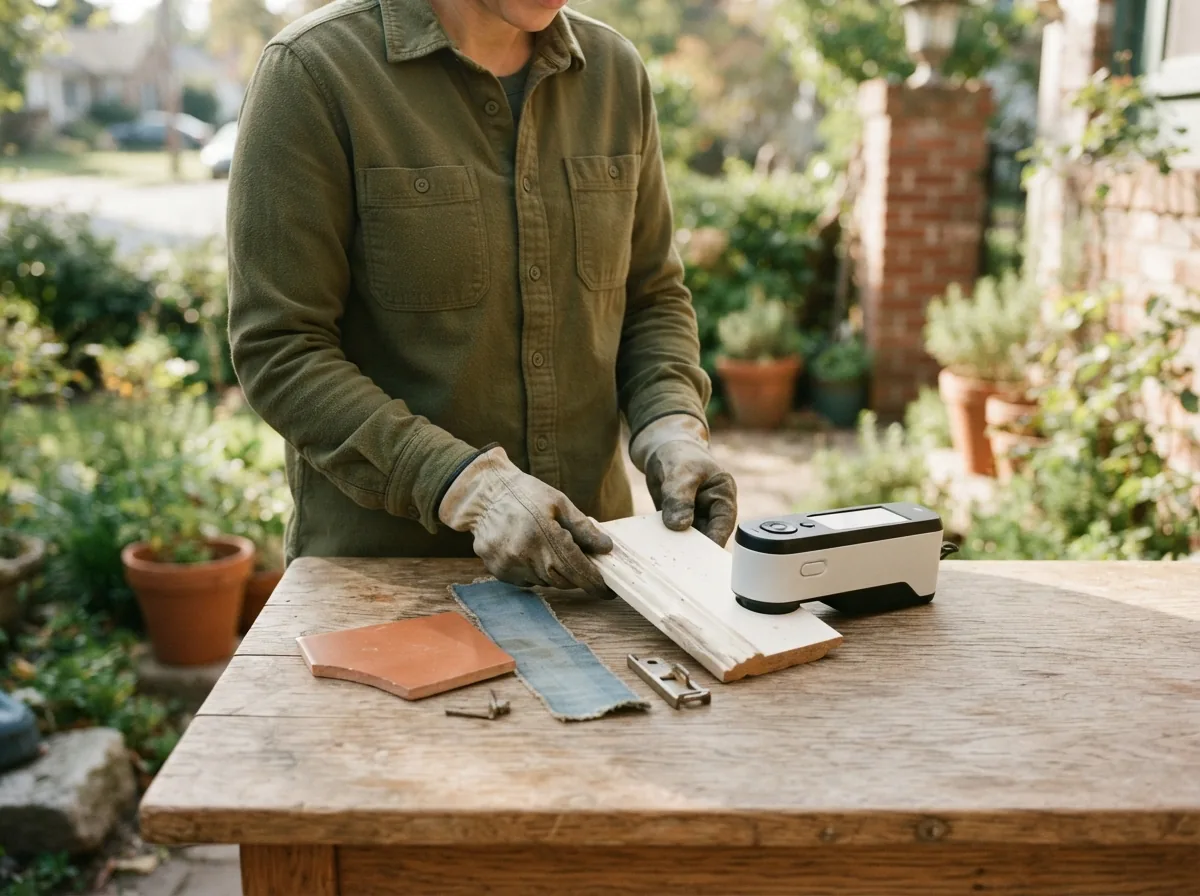
Almost any solid, clean, and flat item can be used for paint colour matching, provided it's at least the size of a quarter. The best samples are opaque, consistent in colour, and free from texture or glare that could interfere with our spectrophotometer equipment. Items like old paint chips, fabric swatches, or even small objects can often be matched accurately.
Samples that work best for colour matching
When you're trying to refresh a room or match an existing shade, having the right sample is key. The most reliable samples for colour matching are typically flat, opaque, and consistently coloured. Think about a paint chip from a previous project, a piece of trim, or even a small section of drywall. These provide a stable surface for our spectrophotometer equipment, ensuring the most accurate reading possible.
Our professional spectrophotometer equipment with staff who understand colour science ensures accurate in-store colour matching. This technology can analyze the precise colour values of your sample, helping us create a custom MF Paints mix that perfectly aligns with your vision. We've seen countless homeowners successfully match everything from antique fabric to a favourite piece of pottery.
Avoid the Guesswork, Get the Right Match
It's frustrating to pick a colour and find it doesn't quite match. Our process is designed to remove that uncertainty. Bringing in a good sample means we can use our advanced tools to get you an exact match, saving you time and the hassle of redoing work. Whether it's for a small touch-up or a whole room, precision matters.
Samples that are difficult or impossible to match
While we can match a wide variety of samples, some items present challenges. Highly textured materials like rough fabrics or deeply grooved wood can be difficult because the texture can skew the colour reading. Transparent or translucent items, such as glass or thin plastic, also pose a problem as light passes through them rather than reflecting a solid colour. Additionally, samples that are very small (smaller than a quarter), dirty, or severely faded may not yield an accurate result. If your sample falls into one of these categories, don't worry, we can still help you find a close alternative or guide you through other options.
- 1
Clean Your Sample
Ensure your item is free of dust, dirt, or grime. A clean surface allows for the most accurate colour reading by our equipment.
- 2
Provide a Flat Surface
If possible, select a part of your sample that is flat and smooth. This helps the spectrophotometer get a consistent reading without shadows or unevenness.
- 3
Bring a Good Size
Aim for a sample at least the size of a quarter. The larger and more consistent the sample, the better the chance for a perfect match.
Our staff are patient, non-judgmental, and happy to help clients of all experience levels. We understand that choosing the right paint can feel overwhelming, and we're here to guide you through the process, ensuring you feel confident in your choices. Our team provides consultative guidance at the paint counter, helping homeowners select products and finishes while also serving professional painters who need fast, reliable supply and technical expertise. We're here to make colour matching simple and stress-free.
What to do if you don't have a physical sample
Even without a physical sample, you have options. We can work with digital images, although they are less precise than a physical item due to screen variations. You can also browse our extensive collection of MF Paints colour swatches and fan decks in-store. Our experienced staff can help you narrow down choices based on your desired aesthetic, lighting conditions, and the mood you want to create in your space. We'll help you find a colour that feels just right, even if you're starting from scratch.