
Why Does Paint Turn Yellow Over Time?
Paint yellows over time primarily due to the oxidation of alkyd (oil-based) resins, especially in areas with low light exposure. Other factors include heat, humidity, and the natural aging of the paint's chemical composition. This yellowing is most noticeable in white or light-coloured paints.
Oil-based vs. water-based paint
When paint yellows, the main culprit is almost always the type of paint used. Oil-based paints, historically popular for their durability and smooth finish, contain alkyd resins that naturally oxidize and yellow over time, particularly when deprived of UV light. This chemical reaction is inherent to their composition. Water-based latex paints, on the other hand, are formulated differently and are far less prone to yellowing, making them a better choice for long-term colour stability.
Our staff, some with over 20 years behind the counter, can guide you through the differences between paint types, explaining how MF Paints and MF Proline products are formulated to resist yellowing and maintain their intended colour longer. They can help you choose the right product for your project, ensuring you understand the performance benefits of each.
Understanding Oxidation
Oil-based paints contain solvents that evaporate, leaving behind resins that react with oxygen, causing a yellow tint.
UV Light's Role
UV light can actually bleach yellowing, so areas with low light exposure tend to yellow faster.
Modern Formulations
Today's water-based paints are engineered to resist yellowing, offering greater colour stability over time.
Lack of light exposure
Surprisingly, sunlight can actually help prevent yellowing in some oil-based paints. Areas of your home that receive less natural light, such as behind framed pictures, inside closets, or in dimly lit hallways, are often the first places where yellowing becomes noticeable. The absence of UV light allows the oxidation process to proceed unchecked, accelerating the discolouration. This phenomenon is a common reason why homeowners discover uneven yellowing across a single painted surface.
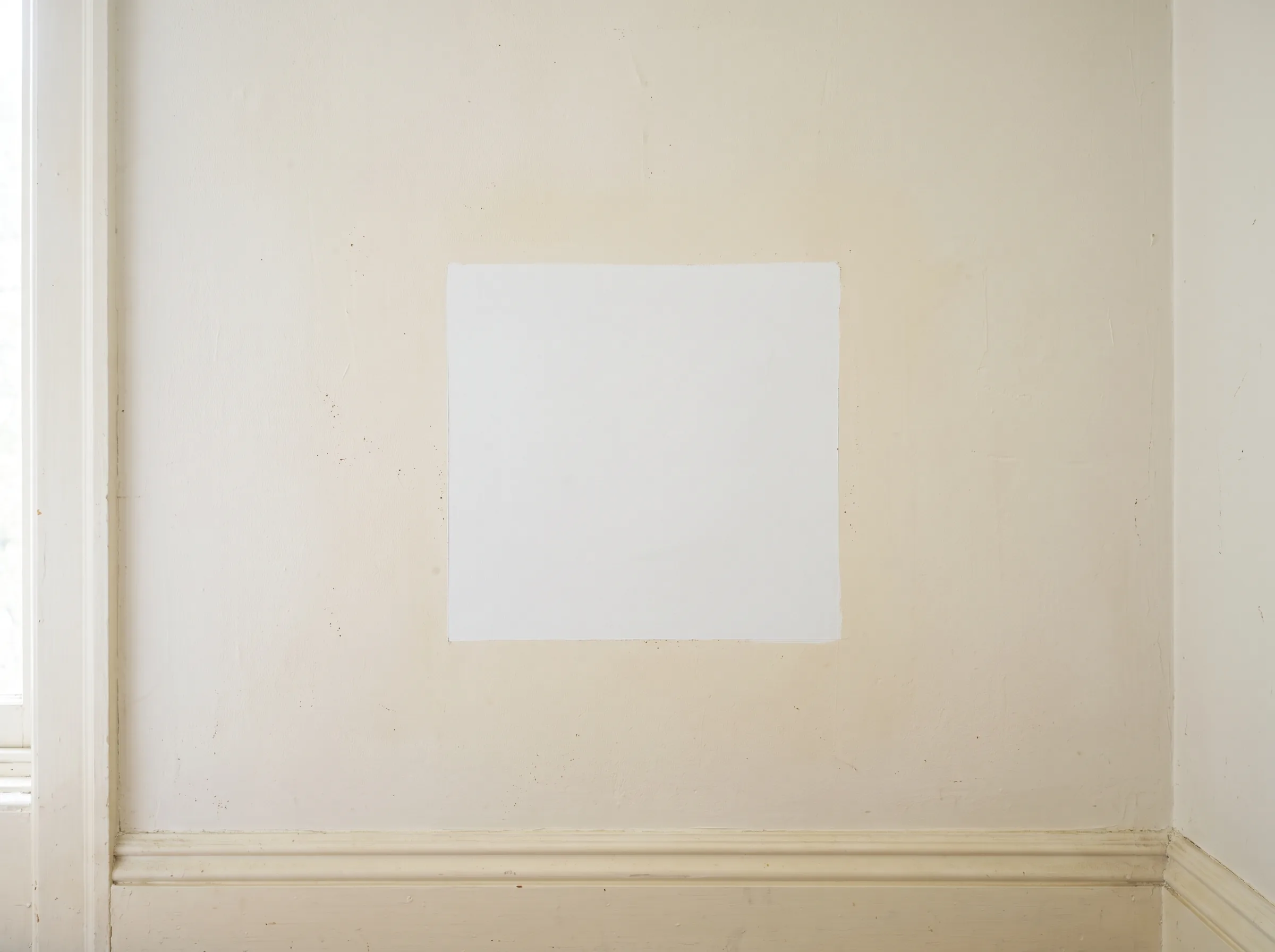
Heat and humidity
High heat and humidity can also contribute to paint yellowing, especially in kitchens and bathrooms. The moisture in the air, combined with elevated temperatures, can accelerate the chemical reactions within the paint film. This is why white paint around stoves or in steamy bathrooms might show yellowing sooner than in other, drier parts of the house. Proper ventilation in these areas can help mitigate this effect.
Age and chemical changes
Even with the best conditions, all paint ages. Over time, the chemical binders and pigments in any paint will undergo subtle changes. While modern water-based paints are significantly more stable, a very old paint job, regardless of its original type, may show some degree of yellowing or discolouration simply due to its age. This is a natural part of a paint's lifespan, and understanding it can help set realistic expectations for your home's finishes.
- 1
Clean the Surface
Sometimes, surface grime or smoke residue can mimic yellowing. Try cleaning the area with a mild detergent solution first.
- 2
Repaint with Water-Based
For true yellowing, especially with oil-based paint, the most effective solution is to repaint using a high-quality water-based paint like MF Paints Summum or Portico.
- 3
Prime Properly
If repainting over oil-based paint, use a quality primer designed for adhesion and stain blocking to prevent bleed-through.
How to fix yellowed paint
Once paint has yellowed due to oxidation, the change is usually permanent and cannot be reversed by cleaning alone. The most reliable fix is to repaint the affected area. When doing so, consider using a high-quality water-based latex paint. These formulations are designed for superior colour retention and are much less likely to yellow over time. Our team at Falls Decor can help you select the right MF Paints product for your project, ensuring a fresh, lasting finish.
How to prevent yellowing in the future
Preventing paint yellowing starts with product selection. Opt for water-based latex paints, especially for white or light colours, and in areas prone to low light, heat, or humidity. Ensure good ventilation in bathrooms and kitchens. For homeowners wondering, "What if the colour match doesn't look right in my lighting?", Falls Decor guarantees colour matching accuracy. If the match isn't right, we will remix it for free, giving you peace of mind. We stand behind the MF Paints products we sell and the expertise of our staff.
The questions we get asked most.
White trim paint commonly yellows because it's often an oil-based alkyd enamel, which oxidizes and discolours over time, especially in areas with limited light exposure. Switching to a water-based acrylic enamel for trim can prevent this.
True yellowing from oxidation is a chemical change within the paint film and cannot be reversed by cleaning. While surface grime can be removed, the underlying yellowing will remain. Repainting with a non-yellowing, water-based paint is the only effective solution.
Not necessarily. Yellowing is a natural characteristic of oil-based alkyd paints due to their chemical composition. It's not a defect but an expected outcome over time. Modern water-based paints are formulated to resist yellowing, offering a more stable colour.
To avoid yellowing, choose high-quality water-based latex or acrylic paints. These formulations do not contain the alkyd resins found in oil-based paints that cause discolouration. Falls Decor in Smiths Falls carries a range of MF Paints products that offer excellent colour retention.
Yes, nicotine and tar from cigarette smoke can cause paint to yellow and stain over time, creating a sticky residue that attracts more dirt. This type of yellowing is different from chemical oxidation but can be equally unsightly. Proper cleaning and then repainting with a stain-blocking primer are necessary.
Related concerns
Beyond yellowing, other paint failures can cause frustration. Issues like peeling, fading, or lingering paint smells all have specific causes and solutions. Understanding these problems can save you time and money. For more in-depth guidance on paint issues, explore our other resources, or visit us in Smiths Falls for personalized advice. We're here to help you get it right.