
Interior Paint vs Exterior Paint Whats the Difference
The primary difference between interior and exterior paint lies in their formulation and the specific protective qualities they offer. Interior paints are designed for durability against scuffs, stains, and frequent cleaning, prioritizing low VOCs and smooth finishes. Exterior paints, however, are engineered to withstand harsh weather, UV radiation, temperature fluctuations, and moisture, often containing additives for mildew resistance and flexibility. Our staff, some with over 20 years behind the counter, can guide you through these distinctions, ensuring you pick the right MF Paints product.
Why this matters
Using the wrong type of paint can lead to frustrating and costly problems, from peeling and fading to mildew growth. Homeowners often wonder if they can 'get away with' using leftover paint, but understanding these fundamental differences is key to a successful, long-lasting finish. It's not just about colour; it's about protecting your investment and avoiding unnecessary rework. Knowing what distinguishes interior from exterior paint empowers you to choose confidently and achieve results that stand the test of time, both indoors and out.
Interior Paint Focus
Designed for easy cleaning, stain resistance, and low odor, creating a pleasant indoor environment. Prioritizes aesthetics and everyday wear.
Exterior Paint Focus
Built to resist UV damage, extreme temperatures, moisture, and mildew, ensuring long-term protection against the elements.
Flexibility & Adhesion
Exterior paints offer greater flexibility to expand and contract with temperature changes, preventing cracking and peeling.
Durability & Washability
Interior paints are formulated for scrubbing and resisting household scuffs; exterior paints for weather resilience.
How formulations differ
The chemical makeup of interior and exterior paints varies significantly to meet their distinct demands. Exterior paints often contain more flexible resins, like acrylics, that can stretch and contract without cracking when exposed to temperature swings. They also typically include UV-resistant pigments to prevent fading and potent mildewcides to combat mold and fungal growth in humid outdoor conditions.
Interior paints, on the other hand, prioritize scrubbability and a smooth finish. They use resins that create a harder, more abrasion-resistant surface, and their additives focus on stain resistance and minimal volatile organic compounds (VOCs) to ensure better indoor air quality during and after application. This careful balance of ingredients ensures each paint performs optimally in its intended environment.
Common mistakes homeowners make
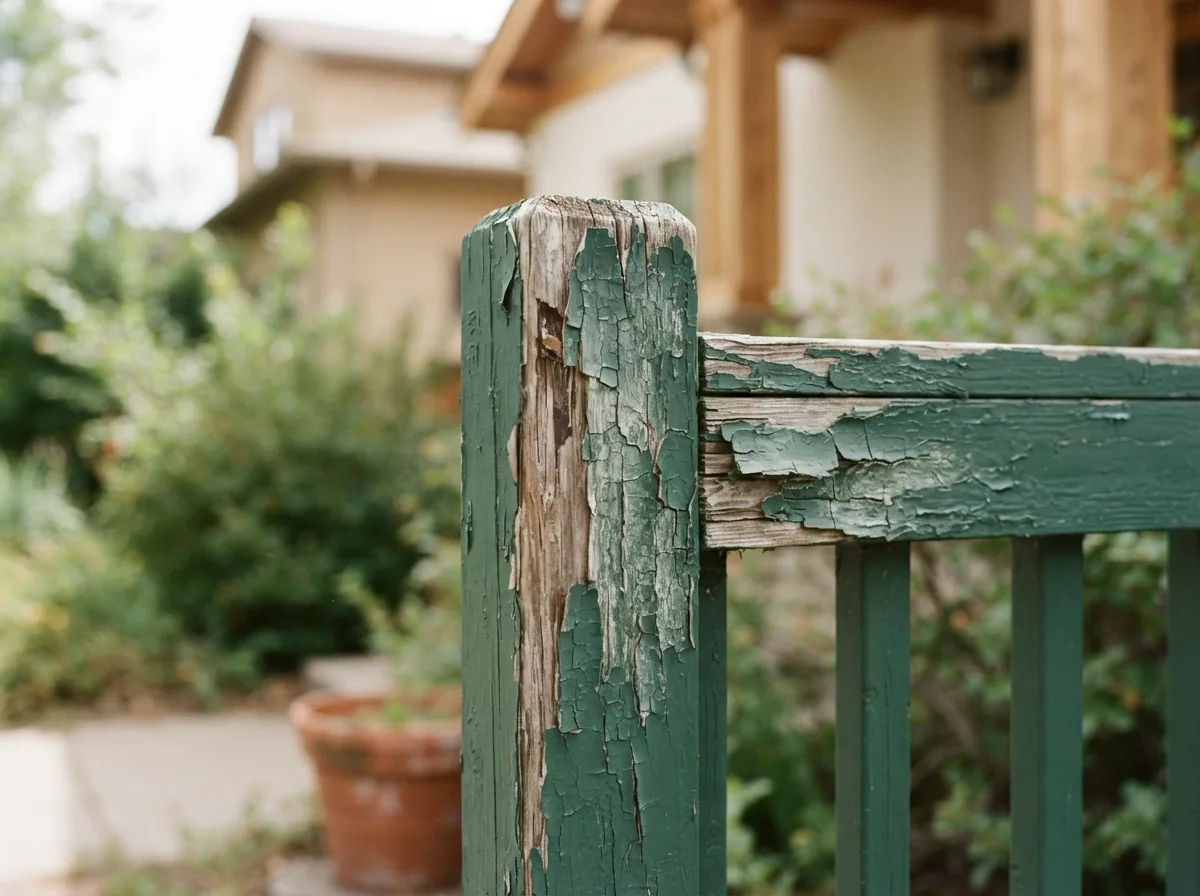
A frequent pitfall for DIYers is thinking 'paint is paint.' Using interior paint outdoors means it will quickly fade, crack, and peel due to sun exposure and moisture. Conversely, applying exterior paint indoors introduces higher VOC levels and stronger mildewcides, which can lead to unpleasant odors and potential health concerns, especially in poorly ventilated areas. Another mistake is overlooking surface preparation; even the best paint won't perform if applied to a dirty, unprimed, or unstable surface. Our team can help you avoid these missteps and guide you to the right MF Paints products for your specific project.
When you can use exterior paint indoors (and when you can't)
Generally, it's best practice to avoid using exterior paint indoors due to its higher VOC content and stronger chemical additives designed for harsh outdoor environments. These components can off-gas for longer periods, impacting indoor air quality and creating unpleasant smells. However, there are very rare, specific exceptions, such as for unventilated outbuildings or certain industrial applications where air quality isn't a primary concern and extreme durability against moisture is needed. For typical residential projects, whether painting a bathroom or a basement, strictly stick to interior-specific formulations. If you're unsure about an unusual project, always ask our team at Falls Decor for guidance; we're happy to help you get it right without judgment.
The questions we get asked most.
While a garage is often exposed to more temperature fluctuations than other indoor spaces, it's still generally not recommended to use exterior paint due to the higher VOCs and stronger mildewcides. For garage walls, a durable interior paint designed for high-traffic areas or a specialized garage floor paint would be a more appropriate and safer choice, ensuring better indoor air quality.
If interior paint is used outside, it will quickly fail. It lacks the UV resistance to prevent fading, the flexibility to withstand temperature changes (leading to cracking and peeling), and the mildewcides needed to resist mold and fungal growth. You'll likely see paint failure within a year, requiring a full re-application with proper exterior paint.
No, there are no paints designed for both interior and exterior use. Any product marketed as such would compromise performance in one or both environments. It's always best to choose a paint specifically formulated for the conditions it will face to ensure optimal durability and safety.
Next step: Choosing the right paint for your project
Choosing the right paint doesn't have to be overwhelming. At Falls Decor, we’re the local alternative to big-box confusion, committed to helping our Smiths Falls neighbours get their projects right. Whether you’re tackling a living room refresh or an exterior siding update, our team is here to provide consultative guidance. We'll help you understand the nuances of MF Paints products, ensuring you select a formulation that delivers beautiful, long-lasting results for your specific needs. Come visit us in Smiths Falls, and let's talk about your next project.