
How to Fix Blotchy Wood Stain
Blotchy wood stain can often be fixed by sanding the affected area down to bare wood and reapplying the stain, or by using a wood conditioner before restaining to ensure even absorption. The best method depends on the severity and type of wood. For small areas, a light sanding and reapplication might suffice, but for widespread blotchiness, a full strip and recondition is usually necessary to achieve a uniform finish. If the colour match doesn't look right in your lighting, we'll remix it for free.
Why wood stain becomes blotchy
Wood stain becomes blotchy when the wood absorbs the stain unevenly. This is most common in softwoods like pine, maple, or birch, which have areas of varying density. These denser parts soak up less stain, while softer, more porous sections absorb too much, leading to dark patches and light spots. Humidity, improper surface preparation, or applying too much stain at once can also contribute to this frustrating problem. It's a common issue, and one we see homeowners in Smiths Falls and Lanark County grapple with frequently. We understand that choosing paint is hard, and we make it easy.
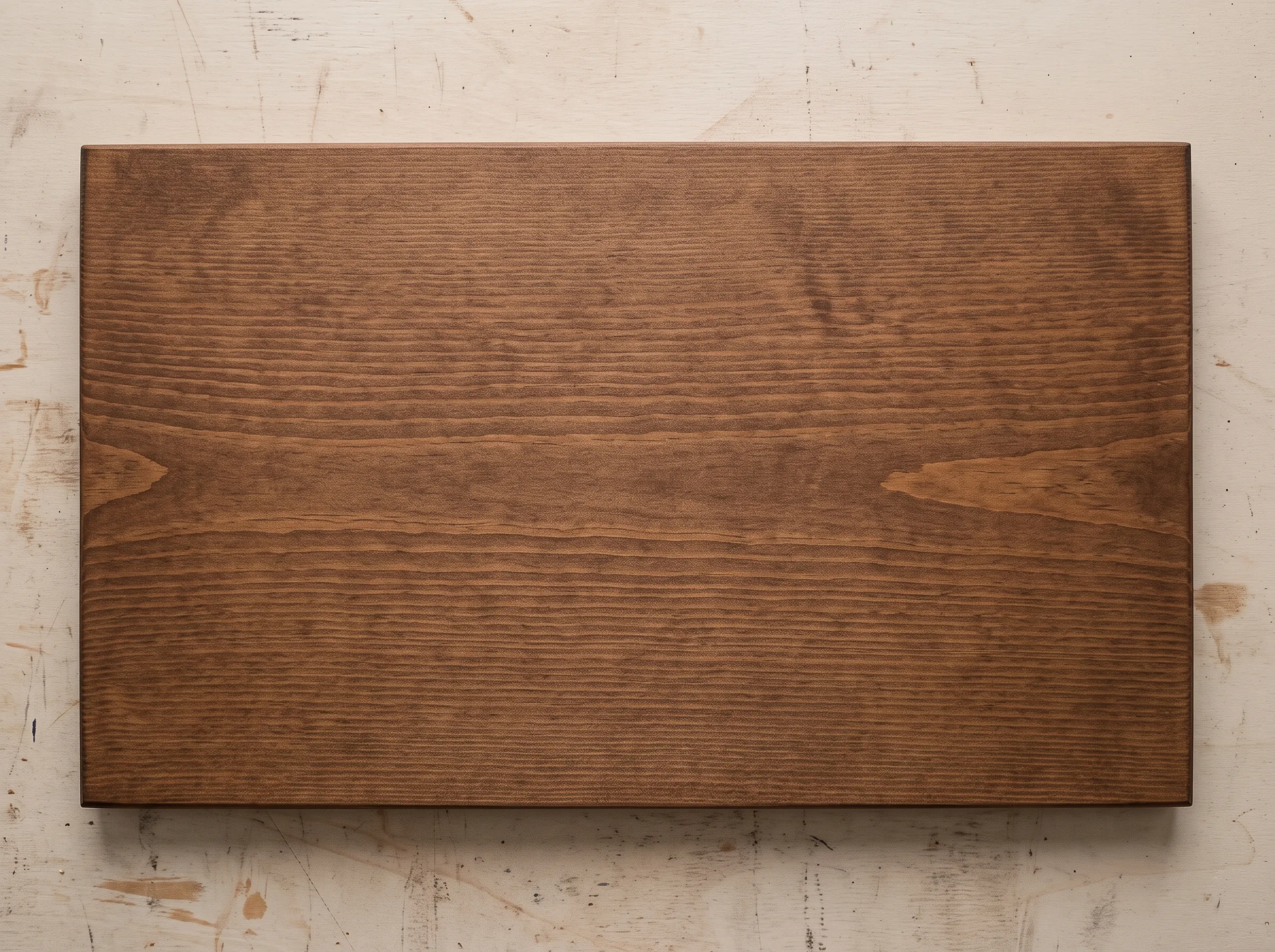
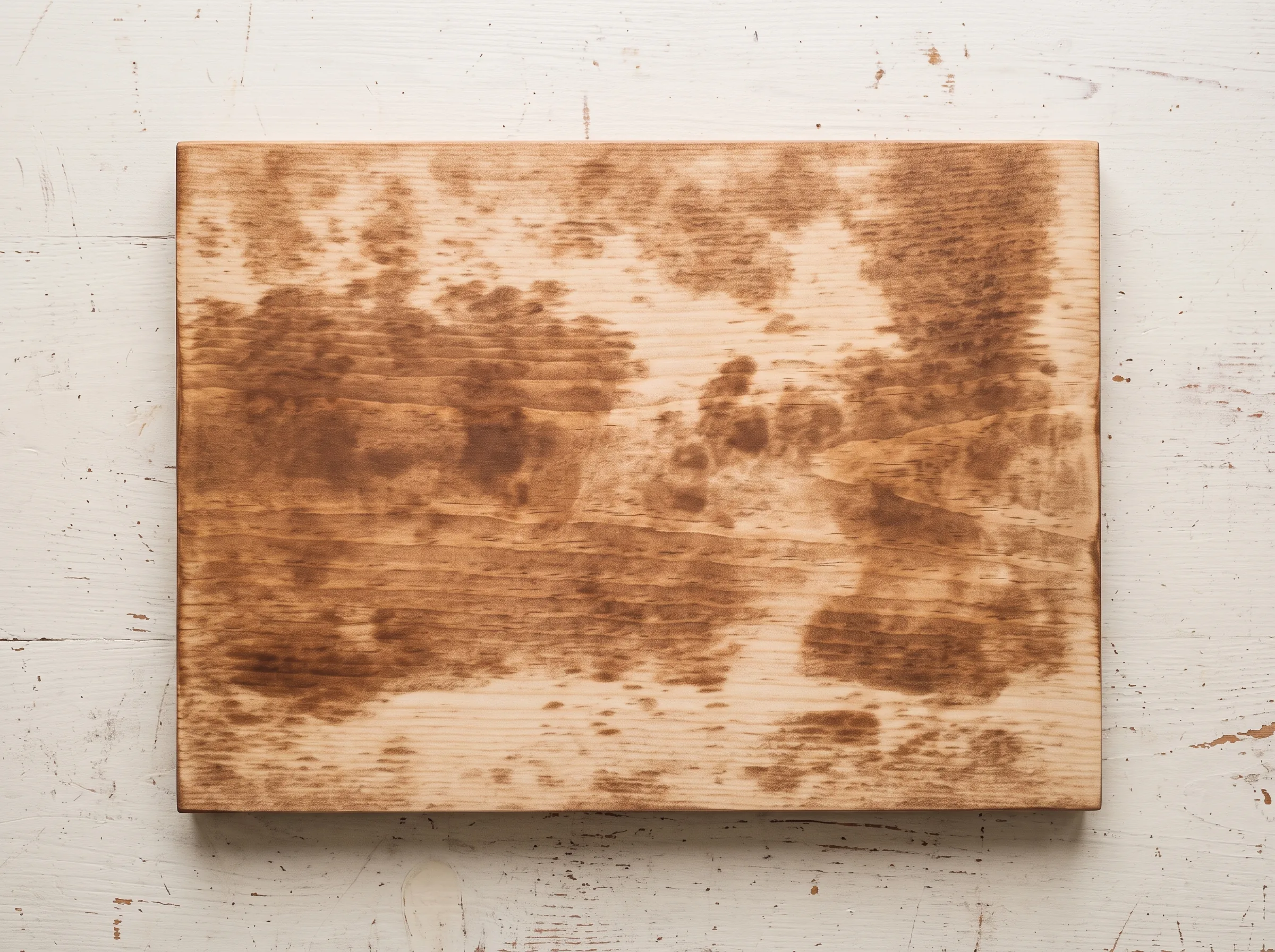
- 1
Method 1: Light Sanding and Reapplication
For minor blotchiness or small areas, a targeted sanding approach can often resolve the issue. Start by lightly sanding the blotchy areas with a fine-grit sandpaper (220-grit or higher) in the direction of the wood grain. The goal isn't to remove all the stain, but to gently abrade the surface and even out the absorption. Wipe away all dust, then reapply a thin, even coat of your chosen MF Paints wood stain, wiping off excess promptly. This method works best when the blotchiness isn't too severe and you're aiming for a slightly darker overall finish.
- 1
Method 2: Stripping and Reconditioning
If the blotchiness is extensive or deeply set, a full strip and recondition might be necessary. This involves removing all the existing stain using a chemical stripper or by sanding down to bare, raw wood. Once the wood is clean and dry, apply a pre-stain wood conditioner, like those compatible with MF Paints wood stains. The conditioner helps to seal off the more porous areas of the wood, allowing for more even stain absorption. Let the conditioner penetrate as directed, then apply your chosen stain evenly, wiping off any excess to prevent further blotchiness.
- 1
Method 3: Toning with Gel Stain or Glaze
For blotchiness that isn't too severe but still visible after initial attempts, you can try toning. This involves applying a very thin coat of gel stain or a tinted glaze over the blotchy areas. Gel stains are thicker and sit more on the surface of the wood rather than penetrating deeply, which makes them excellent for evening out colour. Apply sparingly with a soft cloth, blending carefully to match the surrounding areas. This method requires a light touch and patience, but it can camouflage minor inconsistencies without a full strip-and-reapply.

How to prevent blotchiness in the future
The best fix is prevention. Always prepare your wood surface properly by sanding uniformly and thoroughly. For blotch-prone woods (like pine, maple, or birch), use a pre-stain wood conditioner. Apply it evenly and allow it to penetrate as per instructions before staining. Work in small sections, applying the stain with a brush or cloth and wiping off any excess immediately. Avoid over-applying stain, as this can lead to uneven drying and blotchy results. Consistent technique and the right prep products, like those from MF Paints, are key to a beautiful, even finish.
When to call a professional or visit the store
If you've tried these methods and still can't get the even finish you want, or if the project is large and complex, it might be time to get some help. Sometimes, a fresh set of eyes and some hands-on guidance make all the difference. Our staff, some with over 20 years behind the counter, have seen every type of staining mishap and can offer tailored advice for your specific wood and stain. We're an authorized dealer for MF Paints, a Canadian brand crafted since 1967, and we can help you choose the right MF Portico or MF Summum products to get it right. Don't hesitate to bring in a sample of your project or a photo; we're here to help homeowners and contractors across Smiths Falls and Lanark County. Our staff are patient, non-judgmental, and happy to help clients of all experience levels.
The questions we get asked most.
Applying more stain directly over blotchy areas usually makes the problem worse, as the already darker areas will absorb even more, intensifying the unevenness. It's better to address the underlying issue of uneven absorption through sanding, stripping, or conditioning first.
Yes, wood conditioner is highly effective at preventing blotchiness, especially on soft or porous woods like pine, maple, and birch. It helps to equalize the porosity of the wood, allowing the stain to be absorbed more uniformly for a smoother, more consistent finish.
Liquid stains penetrate deeply into the wood, which is why they can highlight blotchiness on unevenly porous surfaces. Gel stains, on the other hand, sit more on the surface and are thicker, offering a more controlled application that can help to even out colour without over-penetrating blotchy areas.
Always test your chosen fix on an inconspicuous area of the project, such as the back, underside, or an offcut piece of the same wood. This allows you to see how the wood reacts to the sanding, reconditioning, or toning method before committing to the entire surface.
MF Paints offers a range of high-quality wood stains and conditioners. For prevention, we recommend using a pre-stain wood conditioner suitable for your specific wood type before applying any MF Portico or MF Summum wood stain. Our staff can help you select the exact products for your project.