
How do You remove paint From an unintended surface?
Removing paint from an unintended surface involves identifying the paint type (like latex or oil-based) and the surface material. Then, you choose the right method, whether it's a simple clean-up with soap and water for fresh spills, or specific removers and gentle scraping for dried paint. Always test in a hidden spot first to make sure you don't damage the surface.
Method 1: For fresh latex paint on non-porous surfaces
Caught a spill quickly? Fresh latex (water-based) paint is usually the easiest to clean. For surfaces like glass, metal, or sealed wood, a damp cloth with warm water and a little dish soap can often wipe it away completely. Act fast, before the paint has a chance to cure. If it's started to dry, a gentle scrub with a soft brush might be needed, followed by a clean wipe.
Method 2: For dried paint on hard surfaces
Dried paint on a hard, non-absorbent surface like tile or glass requires a different approach. For latex paint, a plastic scraper or razor blade (held at a shallow angle) can carefully lift the paint without damaging the surface. For oil-based paints, you'll likely need mineral spirits or a dedicated paint stripper. Our staff provide consultative guidance at the paint counter, helping homeowners select products and finishes while also serving professional painters who need fast, reliable supply and technical expertise. We can tell you which products work best for your specific paint type and surface, helping you avoid mistakes.
Method 3: For paint on fabric or carpet
Paint on fabric or carpet can be tricky. For fresh latex paint, blot with a damp cloth and warm water. Avoid rubbing, which can spread the stain. For dried latex, a stiff brush might break up the paint, followed by vacuuming. For oil-based paints, a small amount of mineral spirits applied to a cloth (never directly to the fabric) can help, but always test in an inconspicuous area first. Some delicate fabrics may require professional cleaning.
Method 4: For paint on wood (stained or painted)
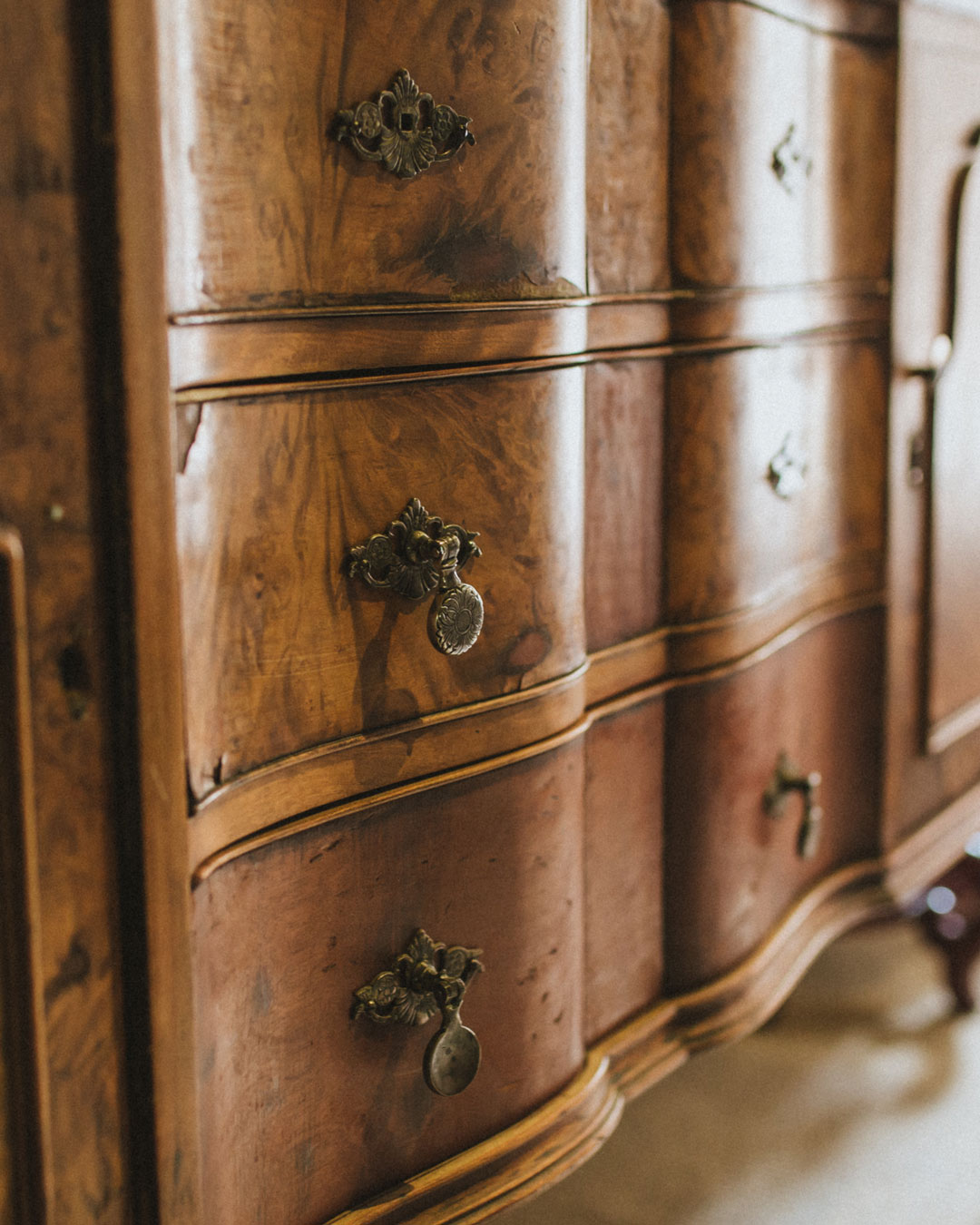
Removing paint from wood, especially stained wood, needs care to avoid stripping the finish underneath. For small spots of fresh latex, a damp cloth is often enough. For dried paint, a plastic scraper can gently lift it. If using a chemical stripper for oil-based paint, choose a product specifically designed for wood and follow instructions carefully, working in a well-ventilated area. Always test on an hidden spot first.
Safety precautions when using paint removers
When tackling dried paint, especially with chemical removers, safety is paramount. Always work in a well-ventilated area, preferably outdoors. Wear appropriate personal protective equipment, including gloves and eye protection. Read product labels carefully for specific instructions and warnings. Keep children and pets away from the work area. If you're unsure about a product, ask our team at Falls Decor for guidance on safe handling and application. Our staff are patient, non-judgmental, and happy to help clients of all experience levels.
The questions we get asked most.
For fresh latex paint, warm water and dish soap are often effective. However, for dried paint or oil-based paints, household cleaners are usually not strong enough and may even damage the surface. It's best to use products specifically designed for paint removal. Our staff provide consultative guidance at the paint counter, helping homeowners select products and finishes.
Paint stripper (or remover) is designed to lift and break down dried, cured paint from a surface. Paint thinner, like mineral spirits or turpentine, is used to thin paint for application or to clean brushes immediately after use, but it's less effective at removing dried paint. If you're unsure about what you need, our staff can help.
For fresh latex paint, rinse immediately with warm water and scrub with laundry detergent. For dried paint, try soaking the spot in rubbing alcohol or a specialized paint stain remover for fabric, then gently scraping. Always test on an inside seam first. Our team can offer more specific advice for tricky situations.
Some strong paint removers can damage the finish or even the wood itself on hardwood floors. It's crucial to choose a product safe for wood, apply it sparingly, and test in an inconspicuous area first. For delicate floors, a gentler approach like careful scraping might be better. We'll help you get it right.
When to call a professional for paint removal
Sometimes, a paint removal job is too big, too delicate, or too risky to tackle yourself. If you're dealing with a large area of dried, stubborn paint, historic surfaces, or highly valuable items, it might be wise to call a professional. They have specialized tools and knowledge to remove paint without causing further damage. Falls Decor is a local alternative to big-box confusion, fostering personal relationships and community trust. We're always happy to offer local referrals for larger projects or difficult removals that go beyond DIY scope in Smiths Falls and surrounding Lanark County.