
How do You fix peeling paint?
Fixing peeling paint involves properly preparing the surface by removing all loose material, cleaning, priming, and then applying a high-quality paint suitable for the substrate and environment. This ensures proper adhesion and prevents future peeling, saving you time and money in the long run.
Peeling paint is a common problem for homeowners in Smiths Falls and across Lanark County, often signaling deeper issues with surface preparation or moisture. But you don't have to live with it. This guide walks you through the necessary steps to not only repair the damage but to prevent it from happening again. We understand that choosing paint and tackling repairs can feel like a gamble, but with the right approach and products, you can achieve a durable, beautiful finish.
Step 1: Identify the Cause and Prepare the Area
Before you can fix peeling paint, it's crucial to understand why it's happening. Is it moisture, poor adhesion, or improper surface preparation? Identifying the root cause helps you select the right repair strategy. Once you know the cause, protect your workspace by laying down drop cloths and ensuring good ventilation.
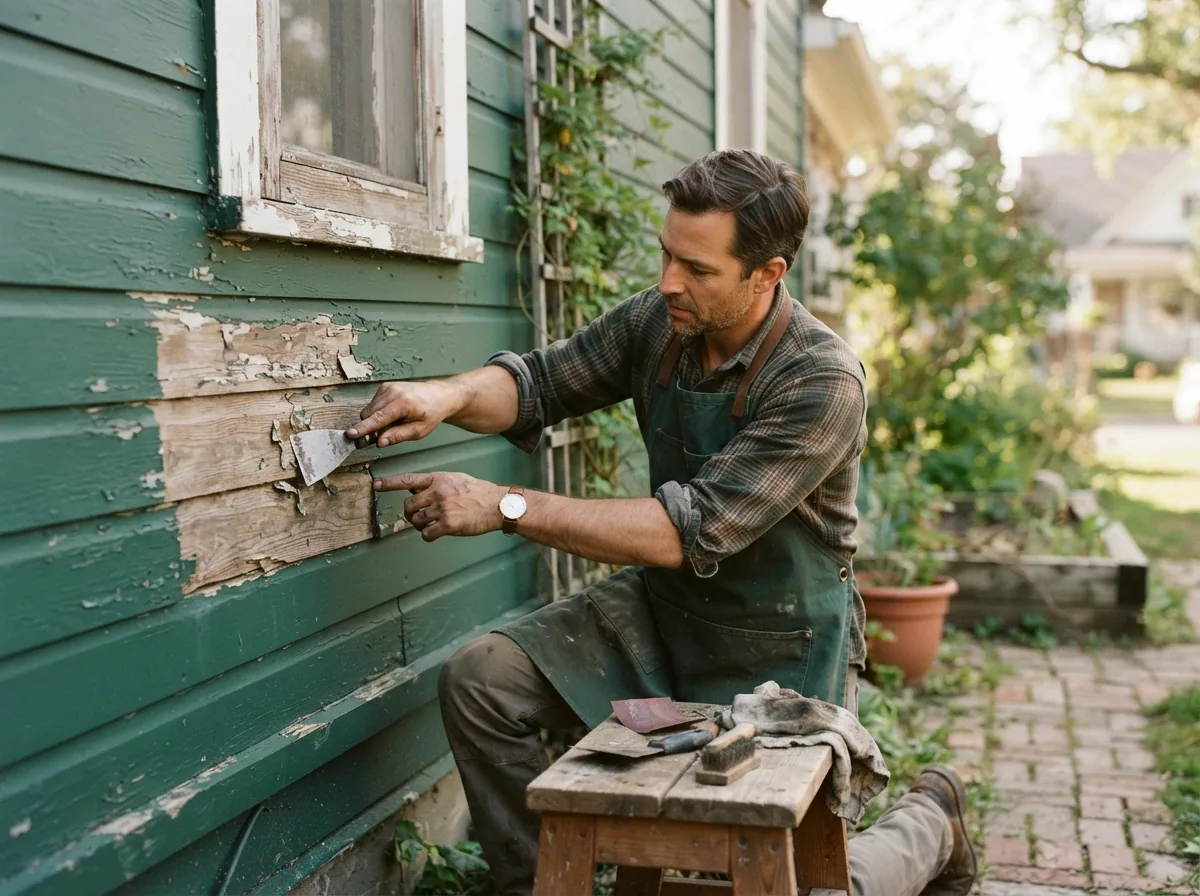
The Importance of Proper Surface Preparation
Many paint failures, including peeling, stem from inadequate surface preparation. Taking the time to properly clean, scrape, and sand ensures your new paint has a solid foundation to adhere to. This step is often overlooked, but it's the most critical for a lasting repair. Don't rush it, your paint job will thank you.
- 1
Step 2: Scrape and Sand All Loose Paint
Use a paint scraper or stiff brush to remove all loose, flaking, or blistering paint. Don't leave any compromised areas. Once the loose paint is gone, lightly sand the edges of the intact paint to create a smooth transition. This feathering technique prevents visible lines under your new paint. Clean the surface thoroughly to remove all dust and debris.
- 2
Step 3: Prime the bare surface
Priming is essential, especially over bare wood, drywall, or areas where the original paint peeled due to moisture. A high-quality primer creates a uniform, adhesive surface for your topcoat. Our staff, some with over 20 years behind the counter, can tell you which MF Paints Proline primer works best on unpainted drywall versus a previously painted surface, ensuring you get the right product for your specific repair.
- 3
Step 4: Apply the right paint for the surface
Once the primer is dry, apply two thin coats of a high-quality MF Paints product. Choose a paint that's appropriate for the surface and environment, for instance, a moisture-resistant MF Paints finish for bathrooms or exterior paint for outdoor surfaces. Falls Decor guarantees colour matching accuracy, and if the match isn't right, we will remix it for free.
- 4
Step 5: Allow for Proper Curing
Even after the paint feels dry to the touch, it needs time to fully cure and harden. Avoid scrubbing or heavy use of the newly painted surface for at least a week, or as recommended on the paint can. Proper curing ensures the paint reaches its maximum durability and resistance to future peeling.
When to call a professional vs. DIY
Most small areas of peeling paint can be successfully tackled by a serious DIY homeowner. However, if the peeling is extensive, covers large areas, or recurs shortly after a repair, it might indicate a deeper structural issue like persistent moisture infiltration or a major substrate problem. In such cases, consulting a professional painter or contractor in Smiths Falls or Lanark County might save you time, effort, and further expense. Our local experts are always happy to offer guidance, without judgment, to help you determine the best course of action.
We understand that choosing paint can feel overwhelming, and what if the colour match doesn't look right in your lighting? Falls Decor guarantees colour matching accuracy, and if the match isn't right, we will remix it for free. Our staff are patient, non-judgmental, and happy to help clients of all experience levels, ensuring you get it right the first time.
The questions we get asked most.
Paint typically peels due to poor adhesion to the surface. This can be caused by inadequate surface preparation (not cleaning or sanding properly), moisture issues (humidity, leaks), applying new paint over old, incompatible paint, or using a low-quality paint that lacks proper binding agents. Addressing the root cause is key to a lasting repair.
No, painting directly over peeling paint is a temporary fix that will likely lead to the new paint peeling as well. The new paint needs a stable, well-adhered surface to bond to. Always scrape away all loose paint and properly prepare the surface before applying any new coats.
To prevent future peeling, ensure thorough surface preparation, use a high-quality primer and paint suitable for the environment, address any moisture issues (like leaks or high humidity), and apply paint in thin, even coats, allowing proper drying time between each. Falls Decor staff can provide specific advice for your project.
The best primer depends on the underlying surface and the cause of the peeling. For bare drywall or wood, a standard acrylic primer works well. If moisture was a factor, consider a moisture-resistant or stain-blocking primer. For glossy surfaces, a bonding primer is recommended. Our team in Smiths Falls can guide you to the right MF Paints Proline primer for your specific needs.
MF Paints are known for their strong adhesion and durability when applied correctly. As an authorized dealer for MF Paints, a Canadian brand crafted since 1967, we trust their formulations to provide excellent, long-lasting results. Using the appropriate MF Paints product for your surface, combined with proper preparation, significantly reduces the risk of future peeling.