
Why Is Your Paint Cracking?
Paint cracking occurs when the paint film loses its elasticity and can no longer withstand the stresses of expansion and contraction, typically due to aging, improper application, or environmental factors. It often indicates a deeper issue than simple wear, requiring proper diagnosis and surface preparation for lasting repair.
Common causes
Cracking paint is more than just an aesthetic issue; it signals a breakdown in the paint's integrity. Understanding the root causes is the first step toward a lasting repair. Often, it's a combination of factors, from the paint's age and quality to how it was applied and the environmental conditions it endures. For homeowners in Smiths Falls and Lanark County, dealing with cracking paint can be frustrating, raising concerns about wasted effort and money. We're here to help you diagnose the problem and choose the right path forward.
Aged or Brittle Paint
Over time, paint loses its flexibility and hardens, making it prone to cracking as the substrate underneath expands and contracts.
Poor Surface Preparation
Applying new paint over a dirty, glossy, or improperly primed surface prevents good adhesion, leading to premature cracking.
Excessive Paint Thickness
Applying paint too thickly, especially in a single coat, can cause the top layer to dry faster than the bottom, resulting in surface cracks.
Incompatible Paint Layers
Using a rigid topcoat over a more flexible undercoat, or oil-based paint over latex without proper primer, can lead to cracking.
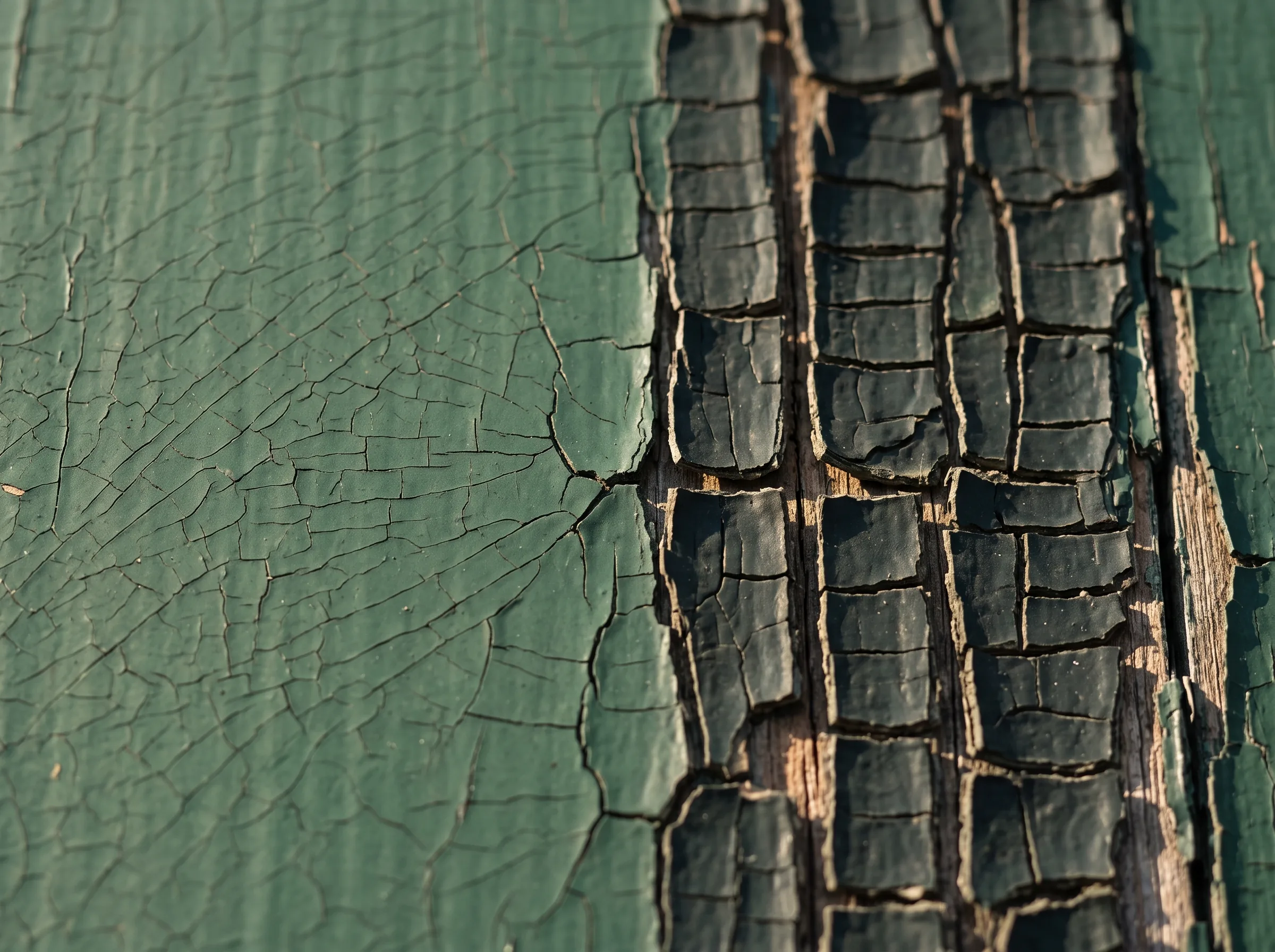
The difference between alligatoring, checking, and hairline cracks
Not all cracks are created equal. Identifying the specific type of cracking helps in understanding the underlying cause and determining the most effective repair strategy. Our staff at Falls Decor, some with over 20 years behind the counter, can guide you through these distinctions. They understand colour science and paint chemistry, ensuring you get accurate advice tailored to your situation, whether it's a minor touch-up or a more extensive repaint.
| Crack Type | Appearance | Common Cause |
|---|---|---|
| Alligatoring | Resembles alligator scales, with large, irregular cracks forming a network pattern. | Application of a hard, rigid topcoat over a softer, more flexible undercoat; multiple layers of oil-based paint aging and losing elasticity. |
| Checking | Fine, short cracks that usually run parallel to the wood grain, often appearing on older wood surfaces. | Aging paint on wood that frequently expands and contracts due to temperature and humidity changes. |
| Hairline Cracks | Very thin, shallow cracks that can be difficult to see, often appearing random or in a web-like pattern. | Surface stress from minor movement of the substrate, paint applied too thin, or slight drying inconsistencies. |
How to assess the severity of the cracking
Before you can fix cracking paint, you need to understand how deep the problem goes. Is it just the topcoat, or has the issue affected previous layers or even the substrate? A careful assessment will prevent you from patching a symptom instead of solving the underlying problem. Start by gently scraping a small, inconspicuous area. If only the top layer comes off, the problem is less severe. If multiple layers or even plaster comes loose, it indicates a more significant adhesion failure.
- 1
Visual Inspection
Examine the crack pattern closely. Note the depth, length, and whether the cracks extend through multiple paint layers.
- 2
Adhesion Test
Gently try to lift the edges of the cracked paint with a putty knife. This helps determine how well the paint is adhering to the surface beneath.
- 3
Substrate Check
If the paint peels easily, inspect the underlying surface for moisture, dirt, or previous paint failures that might be contributing to the problem.
- 4
Consult a Local Expert
If unsure, bring a paint chip or photo to Falls Decor in Smiths Falls. Our team can help you identify the type of cracking and recommend the right products.
Prevention
Preventing paint cracking starts with meticulous preparation and choosing the right materials. While it's tempting to rush, investing time in proper surface prep and selecting high-quality paint like MF Paints will save you significant headaches and costs down the road. We guarantee colour matching accuracy, and if the match isn't right, we will remix it for free. Our staff are patient, non-judgmental, and happy to help clients of all experience levels ensure their project is done right the first time, preventing common failures like cracking.
The importance of proper surface prep and primer
Surface preparation is the foundation of any successful paint job. Neglecting this step is a leading cause of paint cracking and other failures. This includes thorough cleaning, sanding, and the application of an appropriate primer. MF Paints offers a range of primers, including the MF Proline line, designed for various surfaces and conditions, ensuring optimal adhesion and durability. Choosing the right primer for new drywall versus a previously-painted surface is crucial. Our staff provide consultative guidance at the paint counter, helping homeowners select products and finishes, ensuring you get it right. Trusting a locally owned independent store like Falls Decor means you get accountability and personal relationships that chain stores can't replicate.
Next step
Addressing paint cracking effectively means understanding its cause and committing to proper preparation. If you're dealing with cracked paint, don't just paint over it. Come visit us in Smiths Falls. We can help you diagnose the problem, recommend the right MF Paints products, and ensure your next paint project lasts. Choosing paint shouldn't feel like a gamble, and our team is here to help you get it right.