
When primer is necessary and When it's optional?
Primer is necessary when painting over new, porous surfaces like drywall or bare wood, when changing a very dark colour to a light one, or when dealing with stains or odours. It's optional, but still beneficial, when repainting a clean, previously painted surface with a similar colour and sheen. Our staff, some with over 20 years behind the counter, can tell you which Proline primer works on unpainted drywall versus a previously-painted surface, ensuring you choose with confidence and avoid frustrating paint failures.
Why this matters
Many homeowners in Smiths Falls hear conflicting advice about primer. Some say it’s always needed, others claim it’s a waste of time and money. The truth is, using primer when you don’t need it can add unnecessary steps and cost, but skipping it when you do can lead to paint peeling, uneven colour, or stains bleeding through. Understanding the role of primer helps you achieve a durable, professional-looking finish without wasted effort. Choosing paint shouldn't feel like a gamble; we're here to help you get it right.
- 1
New Surfaces
Bare drywall, new wood, or unpainted plaster are highly porous and will absorb paint unevenly without a primer. Primer creates a uniform surface for the topcoat.
- 2
Colour Changes
If you're going from a dark wall colour to a light one, primer provides a neutral base, reducing the number of topcoats needed and ensuring true colour.
- 3
Stains or Odours
Specialty primers can block stains from water damage, smoke, or grease, preventing them from bleeding through your new paint. They can also seal in lingering odours.
- 4
Surface Adhesion
For glossy surfaces like ceramic tile or laminate, a bonding primer improves adhesion, allowing paint to stick without chipping or peeling.
How it works
Primer acts as a foundational layer, preparing the surface for the topcoat of paint. It creates a smooth, uniform base, improves paint adhesion, and can seal porous materials or block stains. Different primers are formulated for different purposes, some are designed for stain-blocking, others for adhesion to challenging surfaces, and general-purpose primers simply provide a consistent base. Understanding these functions helps you select the right product for your specific project, ensuring your paint job looks its best and lasts for years.
The questions we get asked most.
Choosing paint can be daunting. Falls Decor offers expert guidance to help clients choose with confidence, backed by a satisfaction guarantee on staff recommendations. We'll help you narrow down options based on your lighting and existing decor.
Falls Decor guarantees colour matching accuracy. If the match isn't right once you get it home, bring it back and we will remix it for free. Our spectrophotometer equipment ensures precision, but lighting makes a difference, we're here to adjust as needed.
While some paints may seem similar, the performance and durability of quality paints like MF Paints, a Canadian brand crafted since 1967, offer significant long-term value. We help you understand the differences without judgment, ensuring you get the best product for your budget and project needs, preventing costly re-dos.
Absolutely not. Falls Decor staff are patient, non-judgmental, and happy to help clients of all experience levels. Whether you're a seasoned pro or a first-time DIYer, we're here to answer your questions and guide you through the process, making sure you feel confident about your choices.
Common mistakes
One common mistake is using an all-in-one paint and primer product on surfaces that truly need a dedicated primer, such as new drywall or heavily stained walls. While convenient, these products often don't provide the same sealing, stain-blocking, or adhesion capabilities as a specialized primer. Another error is not allowing primer enough time to dry, which can impact the final paint finish. Lastly, some homeowners skip surface preparation entirely, assuming primer will fix all imperfections. Remember, primer isn't a substitute for cleaning, sanding, or patching, it's a preparatory layer that works best on a properly prepped surface.
When to act
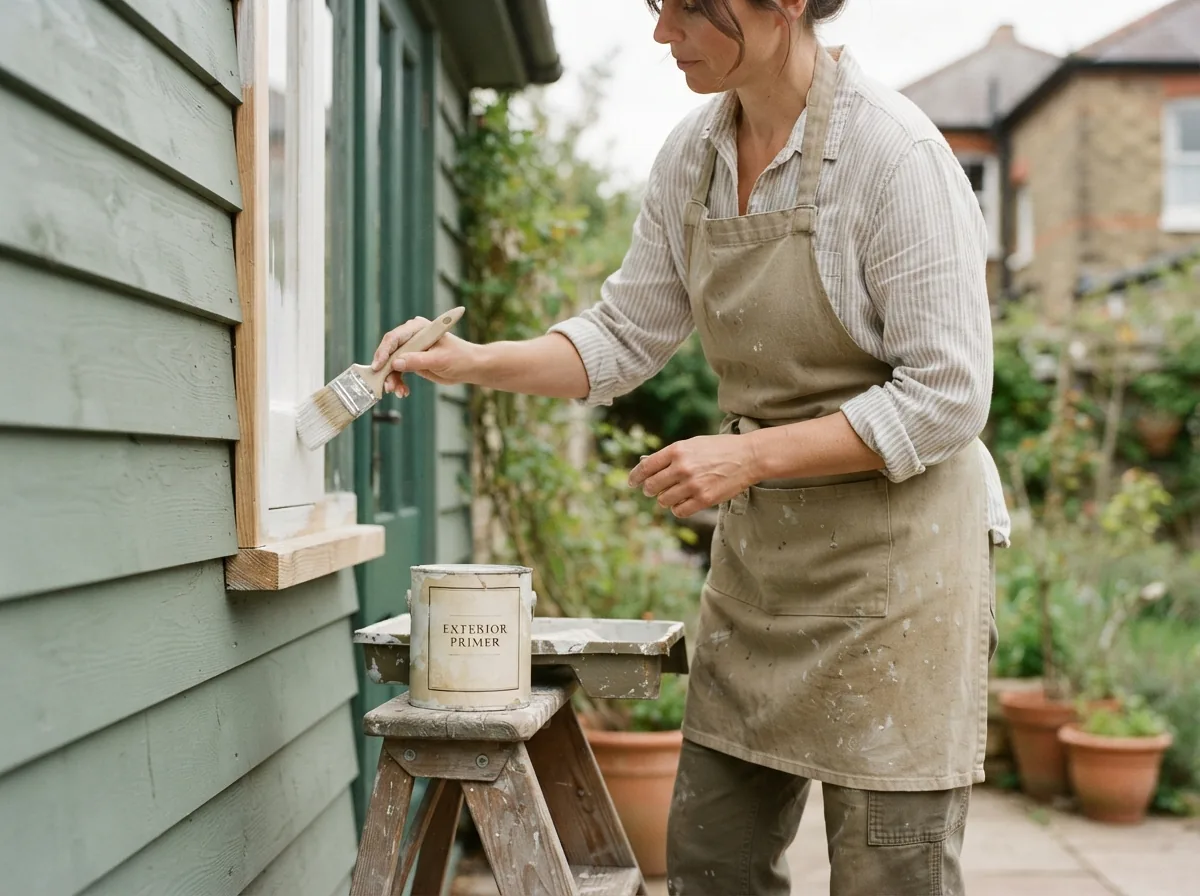
The best time to decide on primer is at the very beginning of your painting project, after you've assessed your surface and chosen your topcoat. If you're tackling new construction, a significant colour change, or dealing with problem surfaces like water stains or glossy finishes, primer should be your first step. For simple refreshes over existing, well-adhered paint, you might be able to skip it. Don't wait until you're halfway through painting to realize you needed primer; a quick consultation with our team in Smiths Falls can save you time and frustration.
Next step: How to choose the right primer for your project
Choosing the right primer depends on your specific project needs. For new drywall, a PVA primer is usually best. For blocking stains or odours, a shellac-based or oil-based primer is often recommended. If you're painting a difficult surface like laminate or glossy trim, a bonding primer will provide the necessary adhesion. At Falls Decor, we stand by the quality of MF Paints products. If you follow our staff's recommendations for primer and topcoat, and the product fails due to manufacturing defect, we will replace the product and work with you to resolve the issue. We'll help you navigate the options, ensuring you select the primer that will give your paint job the best foundation for lasting beauty and durability. Visit us in-store, we'll help you get it right.