
Which tool for which job?
The best paint application tool depends on the surface, desired finish, and project size. Brushes are ideal for precision and small areas, rollers excel on large, flat surfaces, and sprayers offer speed and a smooth finish for extensive projects or intricate details. Our staff, some with over 20 years behind the counter, can help you weigh the pros and cons for your specific needs, ensuring you choose with confidence and get the right tool for the job.
Choosing the right paint application method is crucial for achieving a durable and attractive finish. Many homeowners and contractors in Lanark County wonder if they should use a brush, roller, or paint sprayer. Each tool has unique benefits and drawbacks, making it suitable for different tasks and surfaces. Understanding these differences will help you avoid frustrating results and wasted paint. This guide will help you determine the best approach for your next project, whether it's a small touch-up or a whole-house transformation.
## When to use a brush
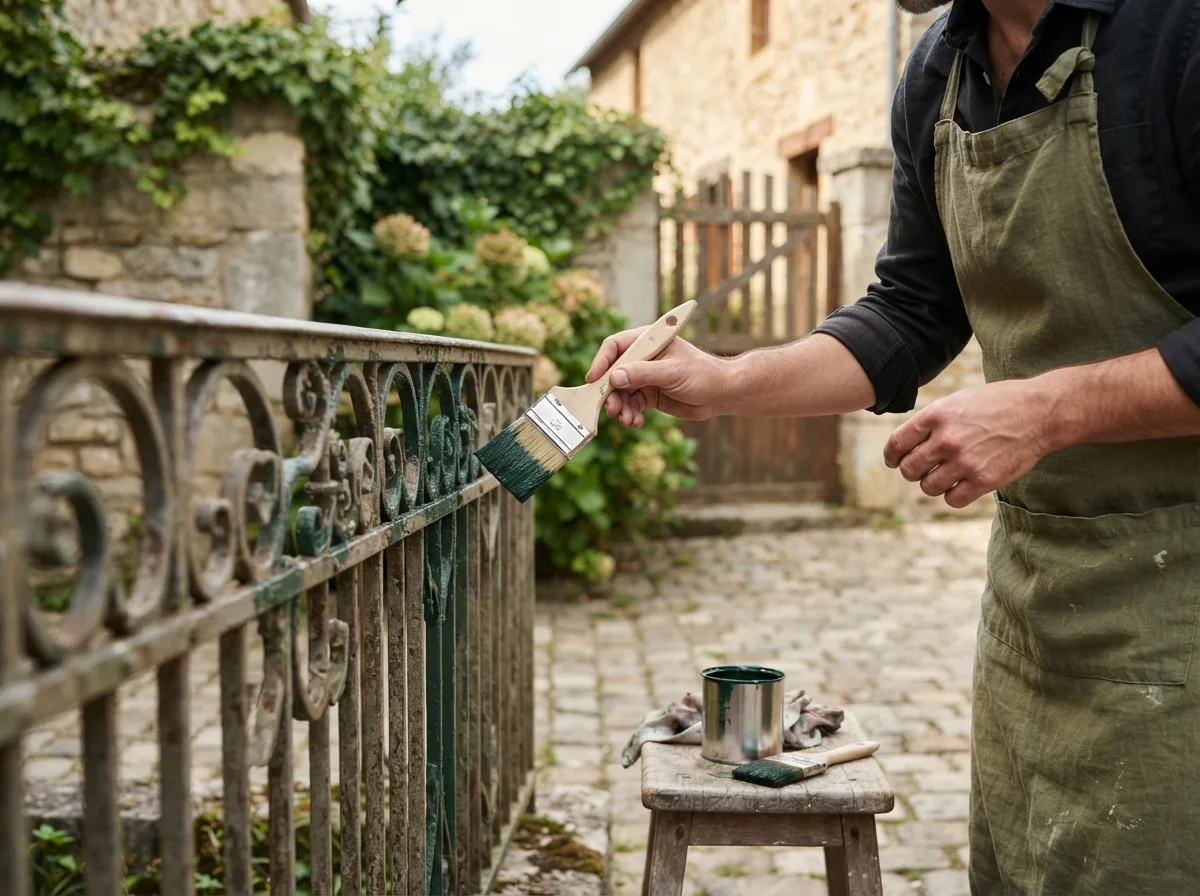
Brushes are indispensable for detailed work, cutting in edges, and painting small or intricate surfaces. They provide excellent control, allowing for precise application in corners, around trim, and on moldings. For fine finishes or when working with oil-based paints, a quality brush can deliver superior results that other tools can't replicate. Brushes are also perfect for touch-ups and small furniture pieces, offering a handcrafted look. When you need to cut a clean line or reach a tight spot, a brush is your best friend.
When to use a roller
Rollers are the go-to choice for painting large, flat surfaces quickly and efficiently, such as walls and ceilings. They provide a uniform finish over expansive areas, making them perfect for rooms, fences, or large exterior surfaces. Different roller covers are available for various paint types and surface textures, from smooth walls to textured stucco. Using the correct nap size ensures even coverage and minimizes drips and splatters. For most interior painting projects, a roller significantly speeds up the process compared to a brush alone, offering a smooth, consistent coat.
## When to use a sprayer
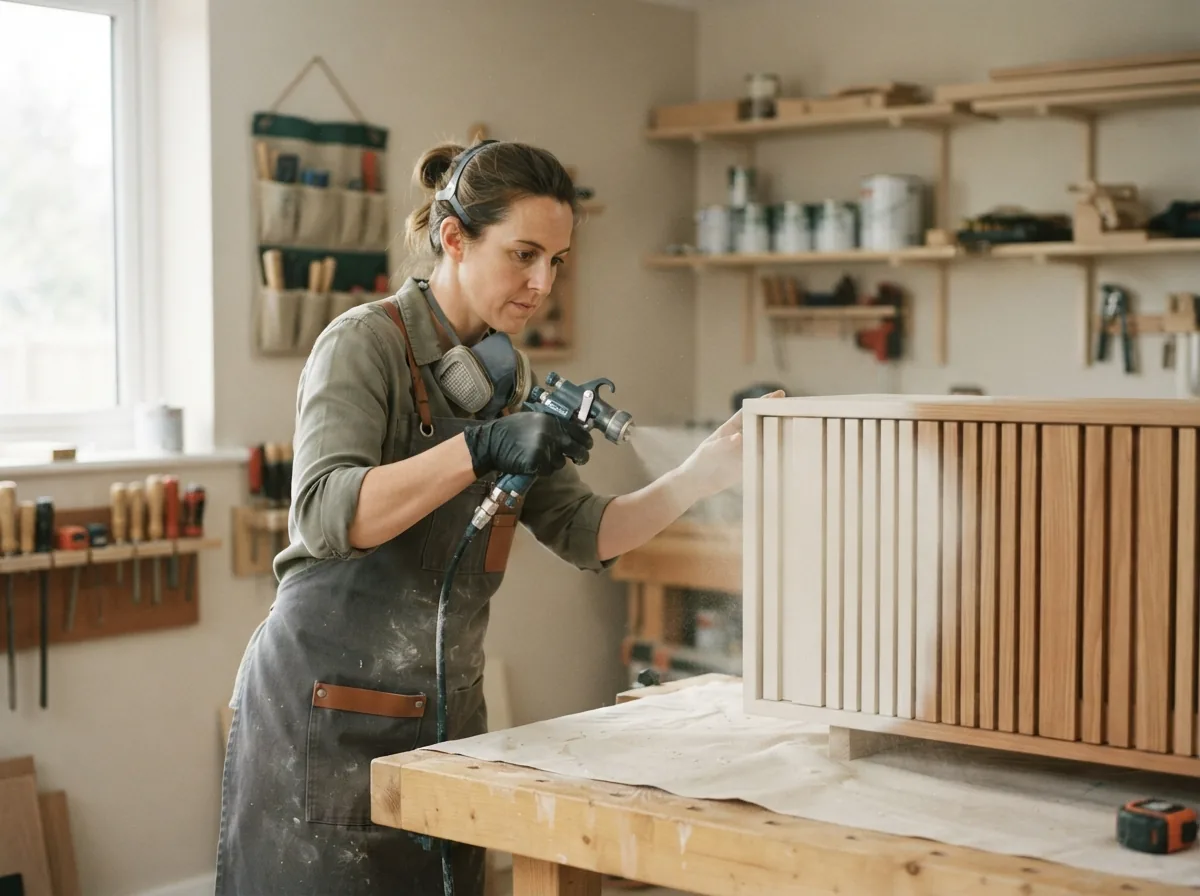
Paint sprayers are ideal for achieving a perfectly smooth, factory-like finish on large areas, intricate surfaces, or projects requiring speed. They excel on items like kitchen cabinets, doors, furniture, and exteriors with siding or complex architectural details. Sprayers eliminate brush strokes and roller marks, delivering a consistent coat quickly. While they require more setup time for masking and preparation, the payoff is a flawless finish that is hard to achieve with other methods. For contractors working on new residential builds in the Smiths Falls area, sprayers can dramatically increase efficiency.
Uneven Application
Not loading enough paint on your brush or roller, or applying too much, leads to streaks and drips. Always maintain a consistent application technique.
Poor Surface Prep
Skipping cleaning, sanding, or priming results in poor adhesion and an uneven finish. Proper preparation is essential for any paint job.
Wrong Tool for the Job
Using a small brush for a large wall or a roller for intricate trim will lead to frustration and a subpar finish. Match the tool to the task.
Ignoring Manufacturer Guides
Not reading instructions for paint or equipment can lead to issues. MF Paints products come with clear guidelines for best results.
Common mistakes to avoid
Avoiding common painting mistakes can save you time, money, and frustration. Many issues stem from inadequate preparation, incorrect tool usage, or rushing the process. For instance, not allowing proper drying time between coats can lead to bubbling or peeling. Likewise, painting in extreme temperatures can affect paint adhesion and drying. Always ensure your workspace is well-ventilated, and use appropriate safety gear, especially when working with sprayers. If you’re unsure, remember that the team at Falls Decor is here to help you navigate these challenges and ensure a successful project.
- 1
Consider the Surface
Smooth walls are great for rollers, while textured surfaces might benefit from a sprayer. Intricate trim or small details always call for a brush.
- 2
Evaluate Project Size
Small touch-ups are brush territory. A single room is perfect for a roller. Whole-house painting or large commercial fit-outs in Smiths Falls are prime candidates for a sprayer.
- 3
Desired Finish
For a flawless, glass-smooth finish, especially on cabinets, a sprayer is often superior. Rollers provide a consistent texture, and brushes offer a unique hand-painted look.
- 4
Your Experience Level
Brushes and rollers are generally easier for beginners. Sprayers require practice and careful masking to avoid overspray, but deliver unmatched speed and finish quality.
How to choose: A simple decision guide
Choosing the right painting tool doesn't have to be complicated. By considering the project's scope, the type of surface, and the finish you envision, you can make an informed decision. Remember that sometimes a combination of tools is the best approach, using a brush for cutting in and a roller for the main surfaces, for example. If you're still weighing your options, visit us at Falls Decor. We carry a full range of painting tools and sundries, and our staff are always ready to provide consultative guidance to help you select the best supplies for your specific project. We'll help you get it right, ensuring you achieve the results you're looking for.
The questions we get asked most.
Absolutely. It's common practice to use a brush for 'cutting in' around edges, trim, and corners, and then switch to a roller for the larger, flat surfaces like walls and ceilings. This combination leverages the precision of the brush and the speed of the roller, often yielding the best results for interior painting projects.
Most latex (water-based) and oil-based paints can be used in a sprayer, though some may require thinning according to the sprayer and paint manufacturer's instructions. Thicker paints or those with high solids content might need more thinning. Always check the specific recommendations for your MF Paints product and sprayer model to ensure optimal performance and avoid clogging.
To minimize brush marks, use a high-quality brush, don't overload it, and apply paint in long, even strokes. For roller textures, choose the correct nap size for your surface (shorter nap for smoother finishes), don't press too hard, and maintain a wet edge by overlapping strokes. Using MF Proline paint, designed for smooth application, can also help achieve a flawless finish.