
How to Get a Smooth Finish with a Roller
To get a smooth finish with a roller, ensure proper surface preparation, use the correct roller nap for your paint and surface, apply paint evenly with consistent pressure, maintain a wet edge, and avoid overworking the paint. This prevents common issues like roller marks and stippling, leading to a professional-looking result.
Why roller marks happen
Roller marks and unwanted textures are common frustrations for homeowners tackling a DIY paint project. They often appear as raised lines, stippling, or an inconsistent sheen, ruining the smooth, professional look you envisioned. These issues typically stem from using the wrong tools, improper technique, or insufficient surface preparation. Understanding the root causes is the first step to avoiding them and achieving a flawless finish on your walls in Smiths Falls.
- 1
Step 1: Choose the right roller nap
The secret to a smooth finish starts with your roller. For most interior walls, a short-nap (5-10mm or 1/4"-3/8") roller is ideal for smooth to semi-smooth surfaces, ensuring minimal texture. Our staff, some with over 20 years behind the counter, can guide you on selecting the perfect MF Paints roller cover and nap for your specific surface, whether it's new drywall or previously painted plaster, to prevent stippling and achieve the desired smoothness.
- 2
Step 2: Prepare your surface thoroughly
A clean, smooth, and properly primed surface is crucial. Clean walls of any dust or grime, repair imperfections like holes or cracks, and sand any rough patches. Always apply a suitable primer, especially on new drywall or when switching from a dark to a light colour. This creates an even base for the paint to adhere to, preventing texture issues.
- 3
Step 3: Load your roller correctly
Don't drown your roller in paint. Dip it into your paint tray and roll it back and forth on the ribbed section until the nap is evenly saturated but not dripping. This prevents excess paint from building up on the roller, which can lead to thick, uneven application and roller marks. An evenly loaded roller ensures consistent coverage.
- 4
Step 4: Use proper rolling technique
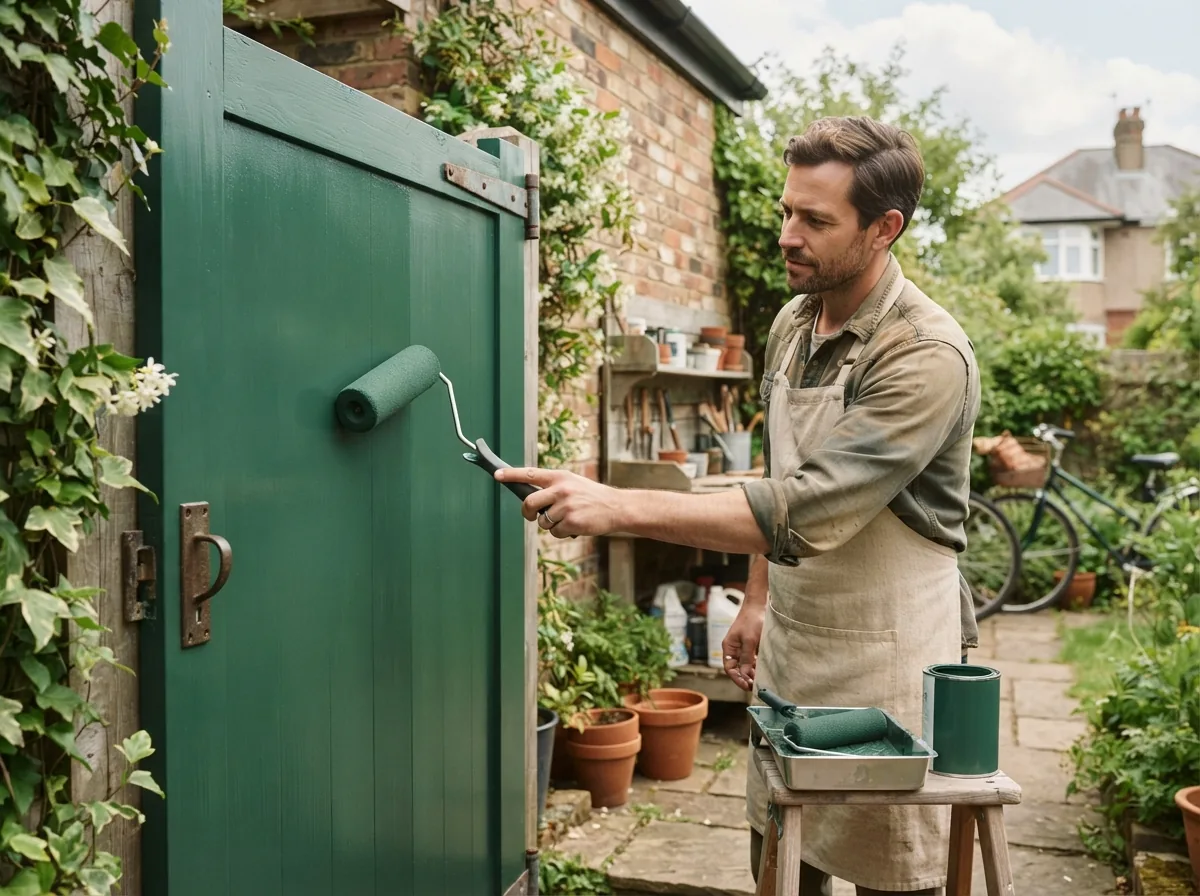
Apply paint in a 'W' or 'M' pattern over a small section, then fill it in with even, overlapping strokes. Maintain consistent, light pressure and always keep a 'wet edge', meaning you overlap your wet paint strokes slightly with the previous one. This prevents lap marks and ensures a uniform finish. Avoid pressing too hard, which can squeeze paint out of the roller's edges.
- 5
Step 5: Apply thin, even coats
Resist the urge to apply one thick coat. Thin, even coats dry more smoothly and are less prone to roller marks. Allow each coat to dry completely according to the MF Paints product instructions before applying the next. This layered approach builds colour and durability without compromising the smooth finish you're working to achieve.
Common mistakes to avoid
Many homeowners struggle with roller marks because of a few common pitfalls. Overworking the paint is a big one, once paint starts to dry, rolling over it again can create texture. Using old, worn-out rollers or cheap, low-quality paint can also contribute to a less-than-smooth finish. At Falls Decor, we stand by the quality of MF Paints, a 100% Canadian brand crafted since 1967, and if you follow our guidance and find the product isn't performing as expected, we'll work with you to make it right. We guarantee our colour matching accuracy, and if the match isn't right, we will remix it for free.
When to use a roller vs. a sprayer
While rollers are versatile for most DIY projects, a paint sprayer can provide an even smoother, virtually texture-free finish, especially on large, flat surfaces or intricate trim. However, sprayers require more setup, masking, and cleanup. For most walls, a roller is perfectly capable of delivering a beautiful, smooth result when the right techniques and MF Paints products are used. If you're tackling a large project and considering a sprayer, come chat with us at Falls Decor in Smiths Falls about the pros and cons for your specific needs.
The questions we get asked most.
For the smoothest finish, use a roller with a very short nap, typically 5-10mm (1/4" to 3/8"). These are designed for smooth to semi-smooth surfaces and apply paint thinly and evenly, minimizing texture. Avoid longer naps, which are meant for textured surfaces and will leave more stipple.
To avoid roller marks, ensure your surface is clean and primed, use a high-quality, short-nap roller, load the roller evenly, and apply paint in thin, overlapping coats. Maintain a wet edge by continuously working into freshly painted areas, and resist the urge to re-roll paint once it starts to dry.
While a sprayer can achieve a truly glass-smooth finish, a high-quality roller, combined with proper technique and good paint like MF Paints, can produce a finish that is exceptionally smooth and professional-looking for most interior walls. The key is careful preparation and execution.
Uneven paint often results from inconsistent application, insufficient drying time between coats, or painting in uneven lighting. Ensure you're applying thin, even coats, allowing full dry time, and working in consistent lighting. If the problem persists, light sanding and a fresh coat with improved technique may be needed. Our staff are patient, non-judgmental, and happy to help clients of all experience levels troubleshoot these issues.